Popular Science【Two Anti-Cavity Preventive Procedures in Pediatric Dentistry】
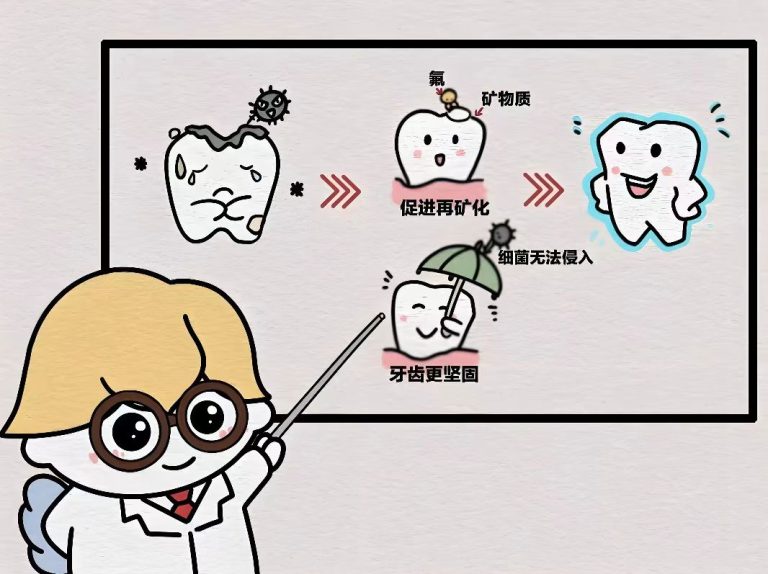
1.Fluoride treatment
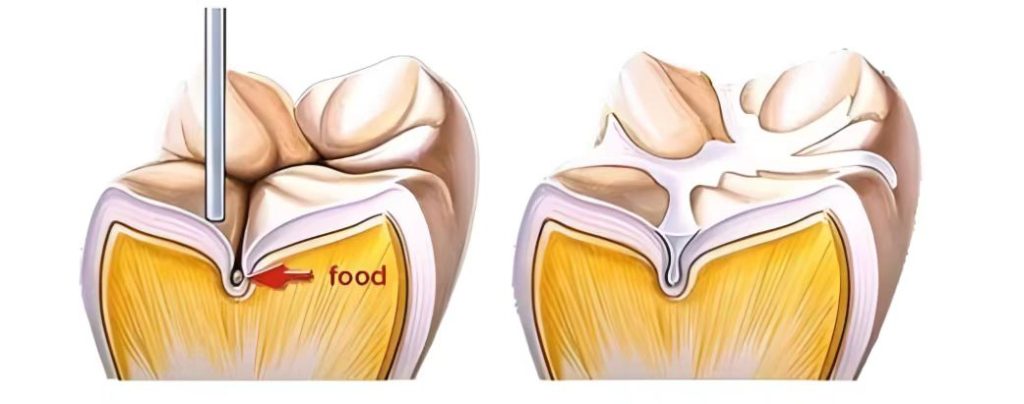
The chewing surfaces of the back molars in everyone’s mouth are uneven, and those sunken crevices are known as dental fissures.
If teeth develop poorly, these fissures can be extremely deep. Food debris and bacteria get trapped inside, which easily leads to dental caries, also commonly referred to as tooth decay. Medically, this type of decay is called pit and fissure caries.
Six-year molars are highly susceptible to pit and fissure caries. As the first permanent molars to erupt, they bear the heaviest chewing load and are most prone to decay, which may even result in premature tooth loss. Therefore, protecting children’s first permanent molars is crucial. Pit and fissure sealants represent the most effective way to prevent pit and fissure caries in permanent molars.
The optimal time for pit and fissure sealant treatment is right after the tooth has fully erupted and before any tooth decay develops. (1)Pit and fissure sealing is suitable for children once their teeth erupt to the occlusal plane, ideally within four years after eruption. (2)Primary molars: 3 to 4 years old,
First permanent molars: 6 to 7 years old,
Second permanent molars: 11 to 13 years old,
Premolars: 9 to 13 years old
2.Sealant
Topical fluoride application is an effective and widely used caries prevention method in stomatology. After the treatment, fluoride ions combine with inorganic salt crystals to form a more stable structure that resists erosion by acidic substances, thereby preventing tooth decay.
It is recommended to maintain good oral hygiene habits in daily life: brush your teeth at least twice a day and use dental floss to clean between teeth to remove dental plaque and food debris.